

Developing Emotional Intelligence
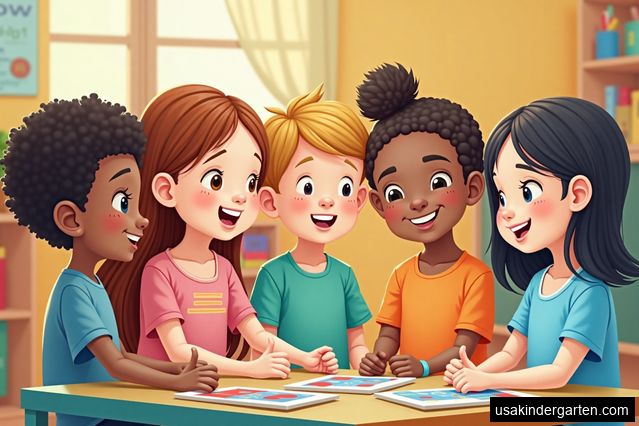
Kindergarten is a critical time for children to develop their emotional intelligence. Through social emotional learning, kindergarteners learn to identify and manage their own emotions, as well as understand and empathize with the emotions of others. These skills lay the foundation for healthy relationships, effective communication, and self-regulation throughout their lives. By providing a supportive and nurturing environment that encourages emotional expression, kindergarteners can develop the emotional intelligence necessary for success.
Promoting Self-Awareness
Social emotional learning in kindergarten helps children become more self-aware. They learn to recognize their own strengths and areas for growth, fostering a positive self-image. By understanding their emotions and the impact of their actions, kindergarteners can make better choices and develop a sense of responsibility. This self-awareness allows them to navigate challenges and conflicts more effectively, leading to improved social interactions and overall well-being.
Building Positive Relationships
Kindergarten provides an ideal setting for children to learn and practice social skills, as they interact with peers and teachers on a daily basis. Social emotional learning helps kindergarteners develop the necessary skills to build positive relationships. They learn to communicate effectively, resolve conflicts peacefully, and collaborate with others. These skills not only enhance their social interactions but also set the stage for successful teamwork and cooperation in future academic and professional settings.
Encouraging Empathy and Compassion
Incorporating social emotional learning in kindergarten cultivates empathy and compassion in young children. By learning to understand and appreciate the perspectives and experiences of others, kindergarteners develop a sense of empathy. They learn to show kindness, respect, and compassion towards their peers, fostering a supportive and inclusive classroom environment. These qualities not only contribute to their personal growth but also promote a positive and caring community.
Boosting Academic Performance
Research has shown a strong correlation between social emotional learning and academic success. By focusing on social emotional skills in kindergarten, children are better equipped to handle the challenges and demands of the classroom. They develop the ability to stay focused, manage their time effectively, and persist in the face of difficulties. Additionally, social emotional learning enhances their problem-solving skills and decision-making abilities, leading to improved academic performance and a love for learning.
Creating a Positive School Climate
Social emotional learning not only benefits individual kindergarteners but also contributes to creating a positive school climate. When children have a strong foundation in social emotional skills, they are more likely to feel safe, supported, and valued in the classroom. This positive school climate fosters a love for learning, reduces behavioral issues, and promotes overall well-being among students and teachers alike. By prioritizing social emotional learning in kindergarten, schools can create an environment conducive to academic and personal growth.