

Physical Development
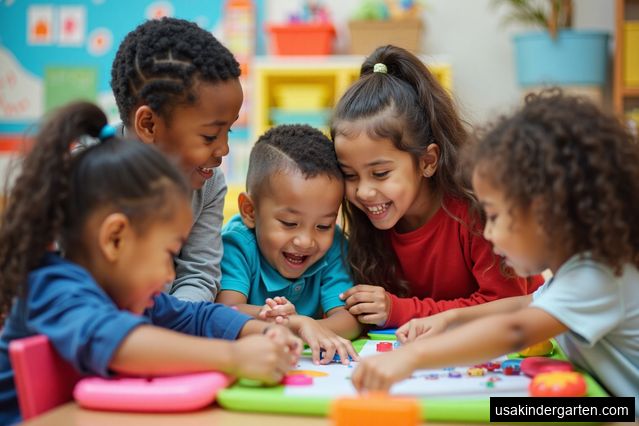
Physical development plays a crucial role in a child's readiness for kindergarten. By this stage, most children should have developed fine motor skills, such as holding a pencil and cutting with scissors. They should also be able to engage in gross motor activities like running, jumping, and hopping. These skills enable children to participate fully in classroom activities and enhance their overall learning experience.
Hand-eye coordination
Hand-eye coordination is an essential skill for kindergarten. Children should be able to manipulate objects with precision, such as building with blocks or stringing beads. This skill helps them with tasks like writing, drawing, and using tools effectively. Encouraging activities that promote hand-eye coordination, such as puzzles and art projects, can support their development in this area.
Cognitive Skills
Kindergarten is a time when children start developing their cognitive abilities further. They should be able to recognize and name basic shapes, colors, and numbers. Additionally, they should have a growing vocabulary and the ability to express themselves verbally. These skills provide a foundation for early literacy and numeracy, allowing children to actively participate in classroom discussions and activities.
Problem-solving
Problem-solving is an important cognitive skill for kindergarten. Children should be able to identify problems, think critically, and come up with solutions. This skill helps them navigate challenges and promotes independent thinking. Encouraging activities that involve puzzles, games, and open-ended questions can foster problem-solving abilities in children.
Social and Emotional Development
Kindergarten is a time when children begin to develop social and emotional skills necessary for interacting with their peers and teachers. They should be able to follow simple rules, take turns, and share with others. Furthermore, children should demonstrate empathy and show an understanding of others' feelings. These skills contribute to positive relationships and a supportive classroom environment.
Self-regulation
Self-regulation is an important aspect of social and emotional development. Children should be able to manage their emotions, control impulses, and adapt to changes in routine. This skill helps them navigate the social dynamics of the classroom and engage in learning effectively. Encouraging activities that promote self-regulation, such as mindfulness exercises and breathing techniques, can support their development in this area.